

W poszukiwaniu wilka Geralta
W poszukiwaniu wilka Geralta
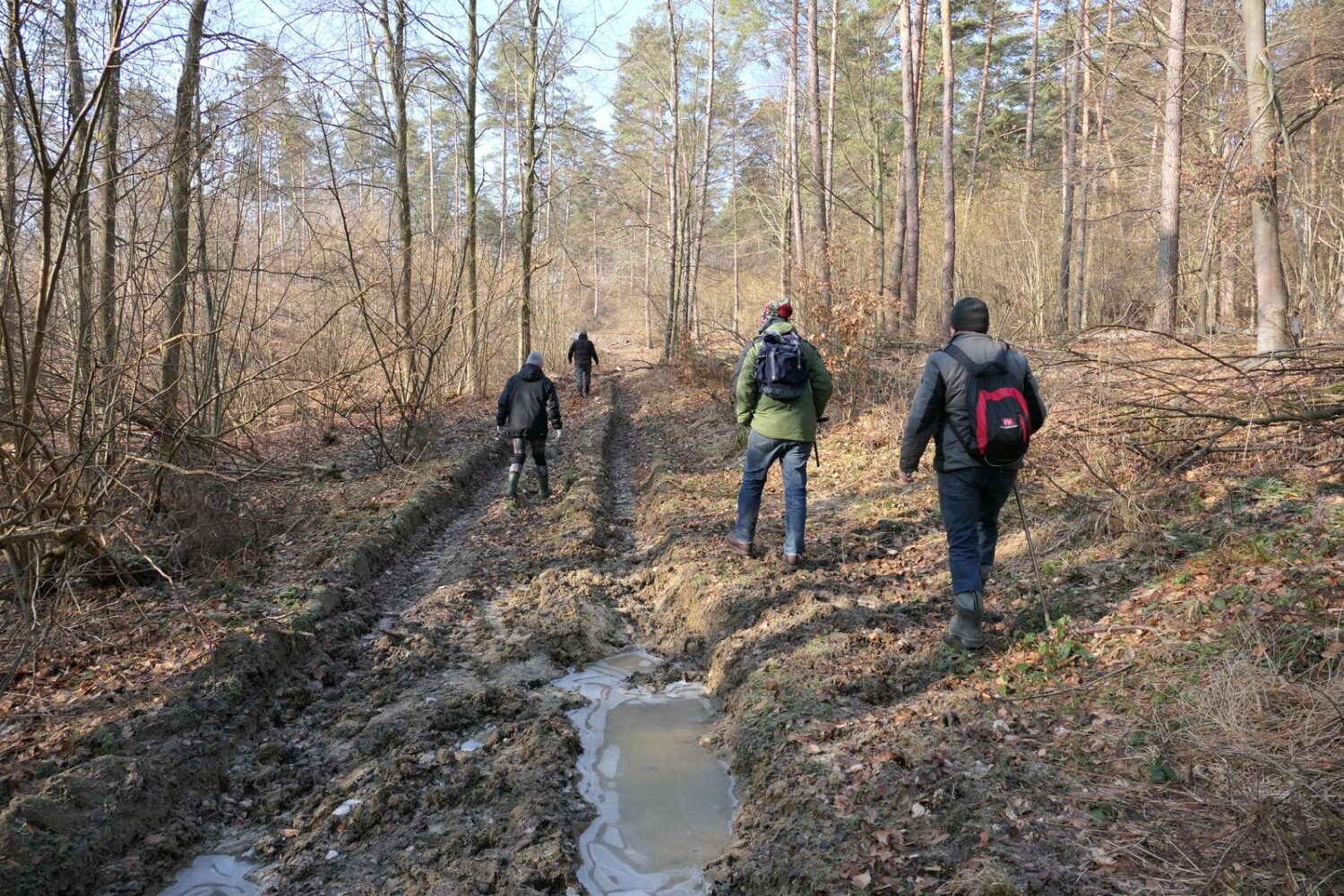
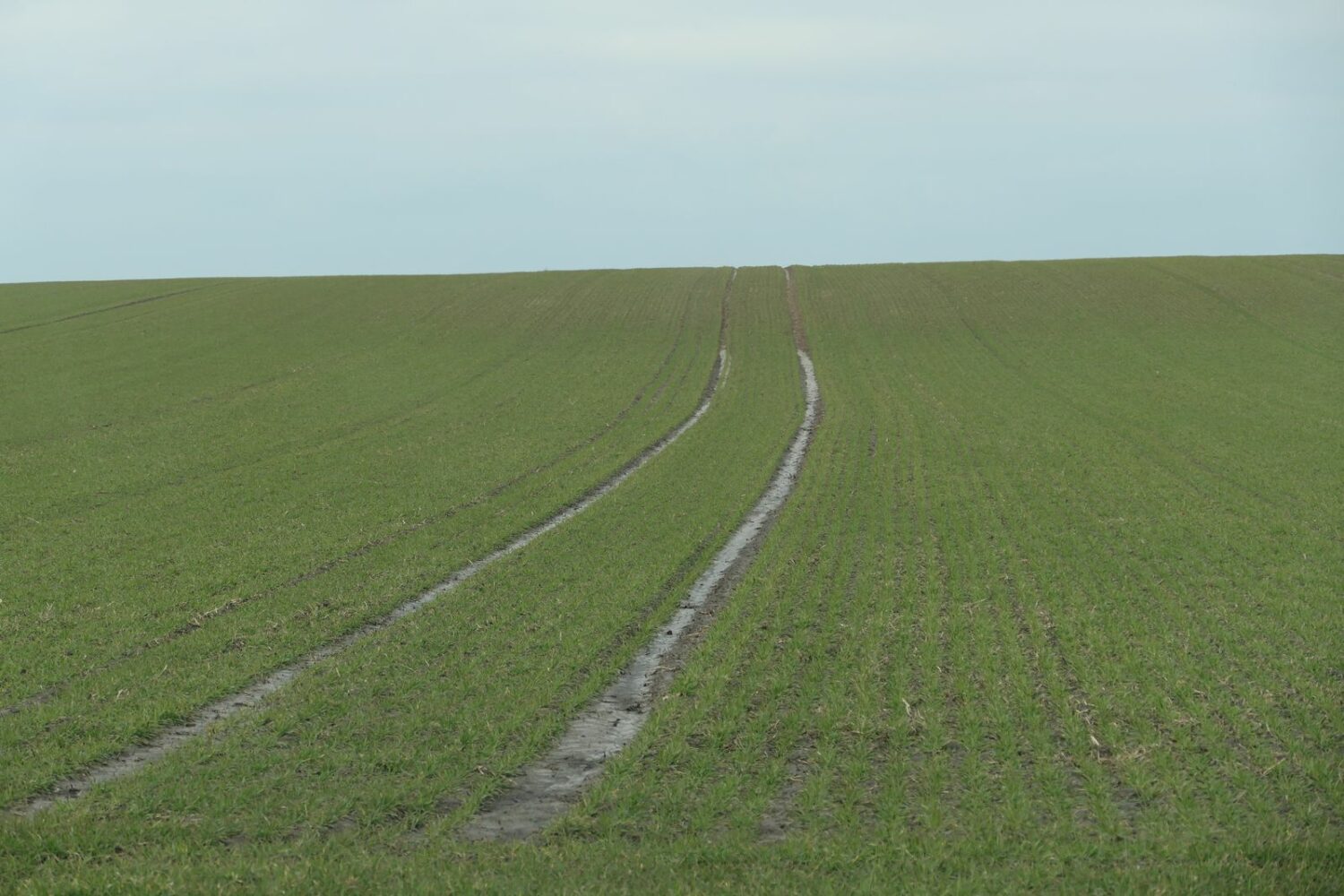
Na przełomie lutego i marca udaliśmy się na wschód w poszukiwaniu wilka Geralta, którego obroża GPS przestała końcem stycznia przesyłać dane lokalizacyjne.
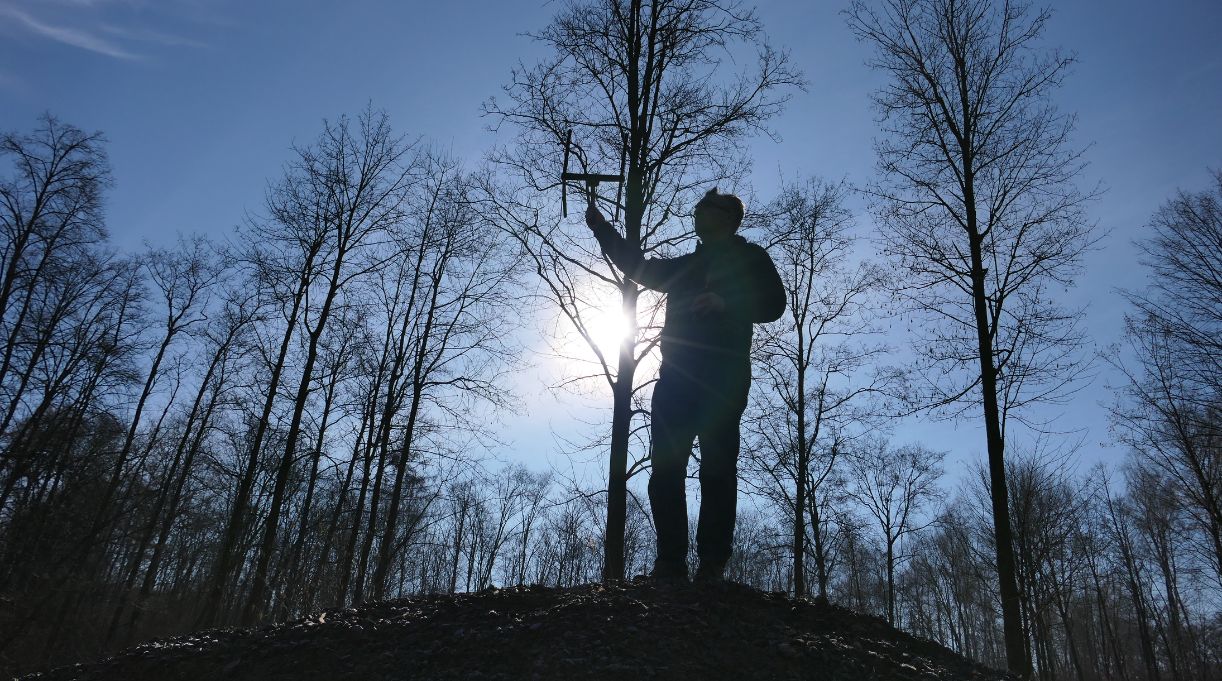
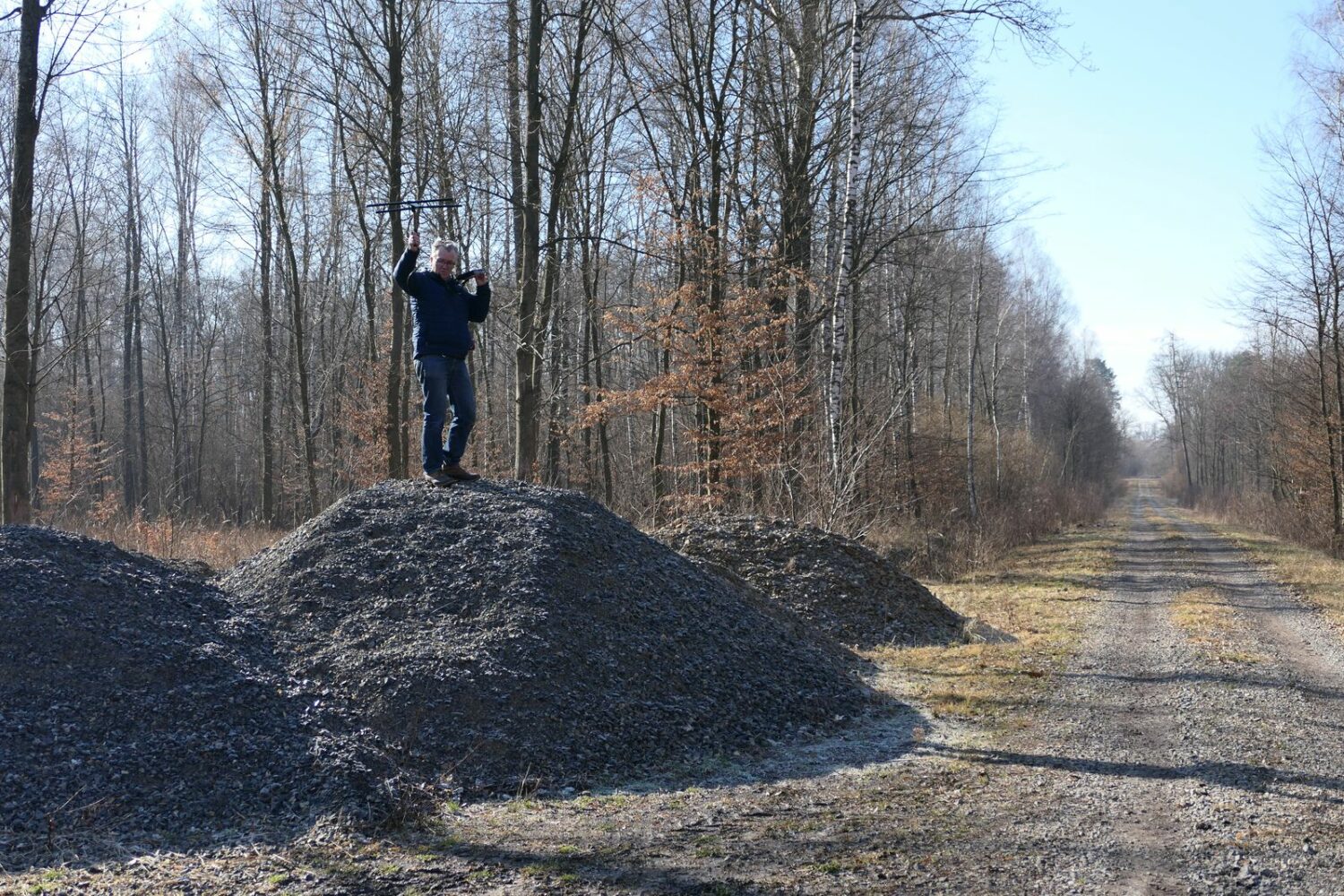
W ostatnim czasie postanowiliśmy jeszcze raz przeszukać okolice ostatnich lokalizacji Geralta w rejonie Hrubieszowa (nad. Mircze) blisko wschodniej granicy Polski z Ukrainą. Jak pisaliśmy wcześniej, dane z obroży wskazywały, że Geralt jest martwy albo że obroża z niego spadła. Kilka dni przeszukiwaliśmy dokładnie teren w nadziei, że uda nam się przynajmniej odnaleźć obrożę. Niestety bez sukcesu.
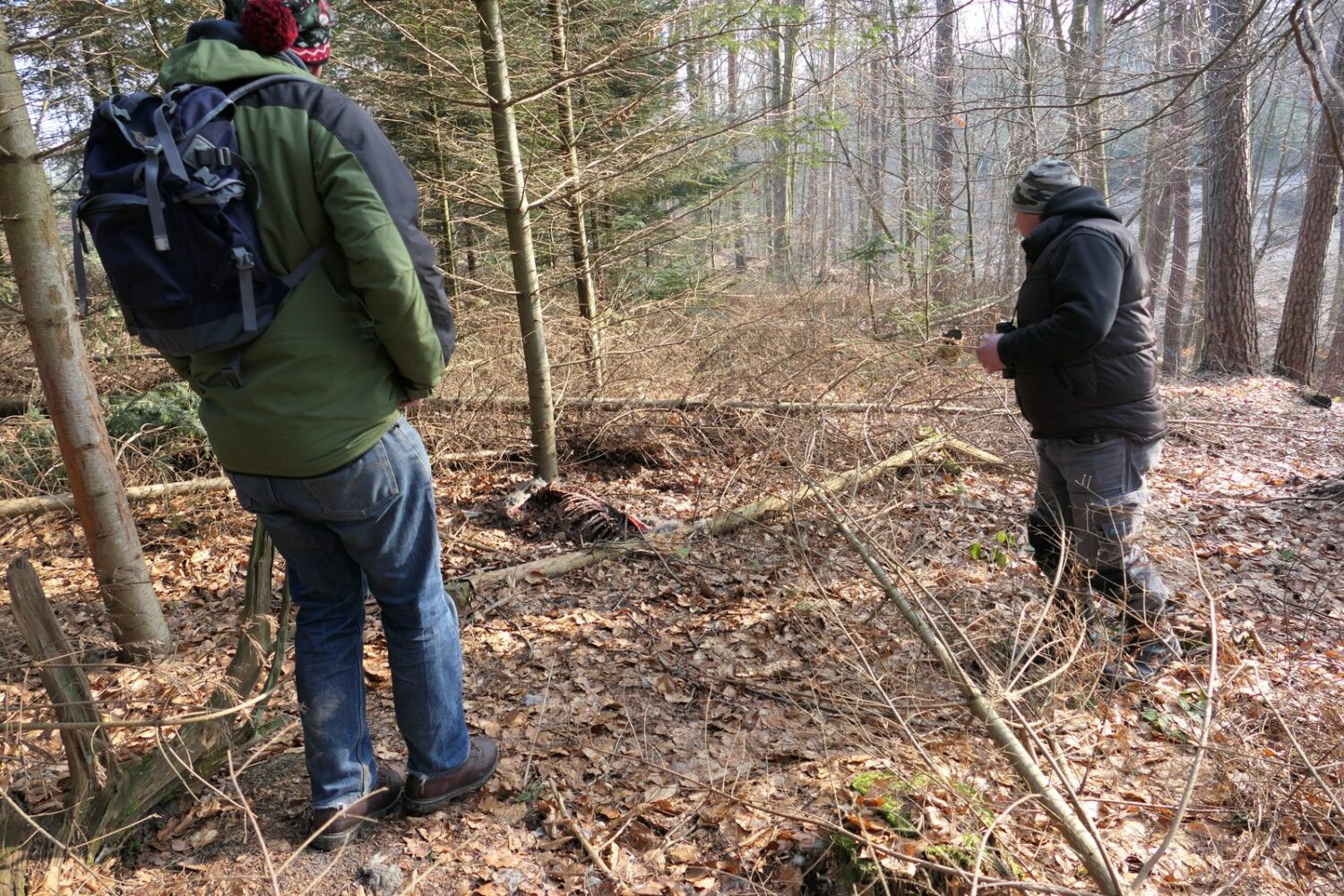
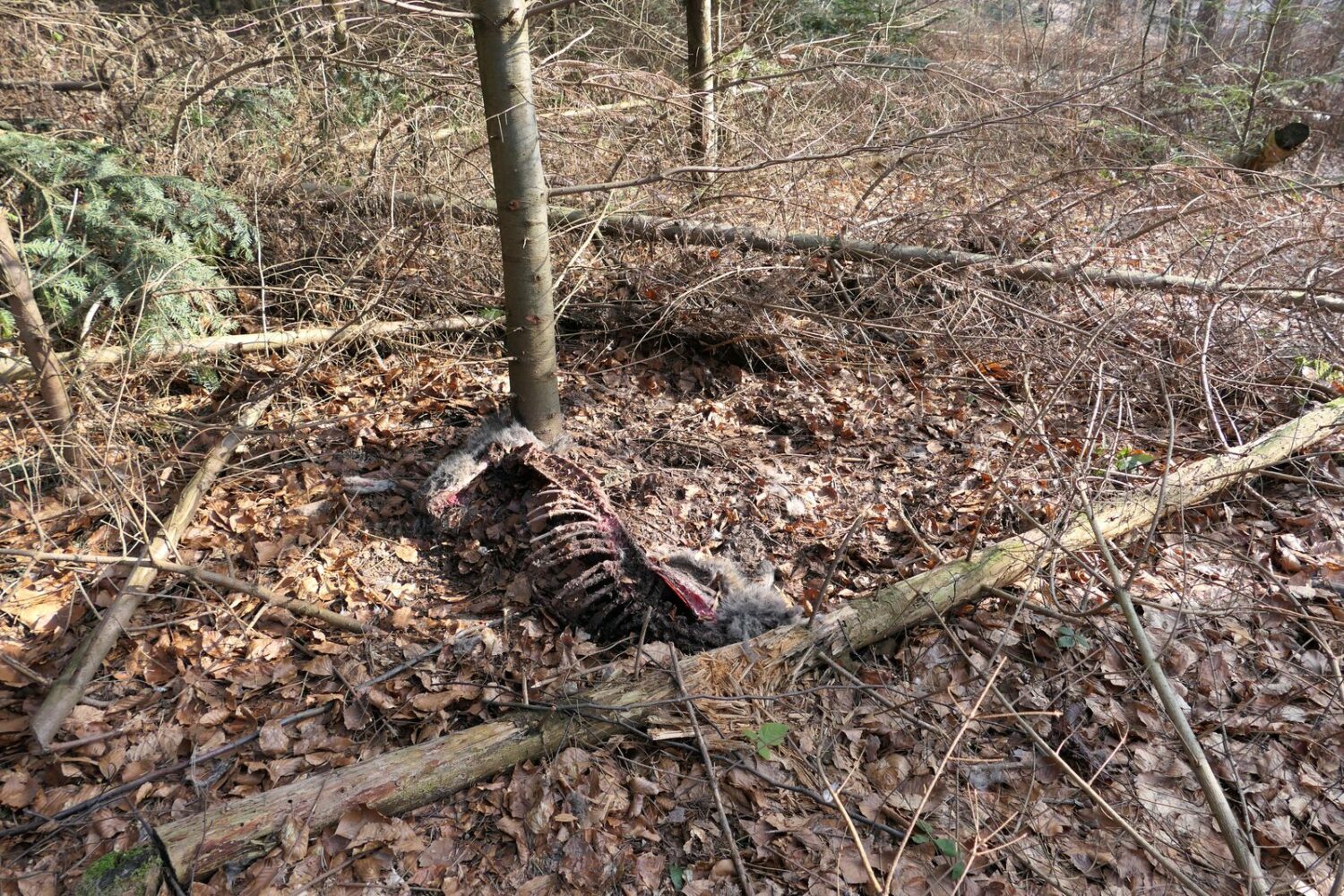
W trakcie poszukiwań dotarła do nas informacja o martwym wilku, bez obroży, znalezionym w okolicach Hrebennego (70km dalej na południe). Pojechaliśmy na miejsce i znalazcy, którymi okazali się zbieracze poroża (bardzo serdecznie dziękujemy za zaangażowanie, pomoc i poświęcony czas!), szybko i sprawnie doprowadzili nas do szczątków. Niestety w międzyczasie ktoś odciął martwemu wilkowi czaszkę (przypominamy, że posiadanie części zwierząt objętych ochroną jest nielegalne!). Nie można było zatem ocenić wieku wilka, a żerowanie ssaków i ptaków na padlinie uniemożliwiło oznaczenie płci. Z wilka nie pozostało wiele, ale na szczęście udało się pobrać próbkę do badań genetycznych. Po porównaniu DNA tego wilka z profilem genetycznym Geralta dowiemy się, czy był to nasz zaginiony wilk.
Pobyt na Zamojszczyźnie postanowiliśmy połączyć z naszą kampanią edukacyjną. Spotkaliśmy się z pracownikami Nadleśnictwa Mircze i młodzieżą szkolną. Bardzo ciekawym dla nas doświadczeniem było spotkanie zorganizowane przez Polski Związek Łowiecki i Akademię Zamojską. W unikalnej atmosferze zamojskiej starówki staraliśmy się przybliżyć słuchaczom postawy biologii wilków i pokazać, że wilki nie są strasznymi bestiami czyhającymi na nasze życie. Co ciekawe, po naszym rzeczowym wykładzie i dyskusjach o liczebności wilków, słuchacze zgodzili się, że pojawiające się tu i ówdzie informacje o zagęszczeniach wilków sięgających 40 osobników/km2 pochodzą ze świata baśni!
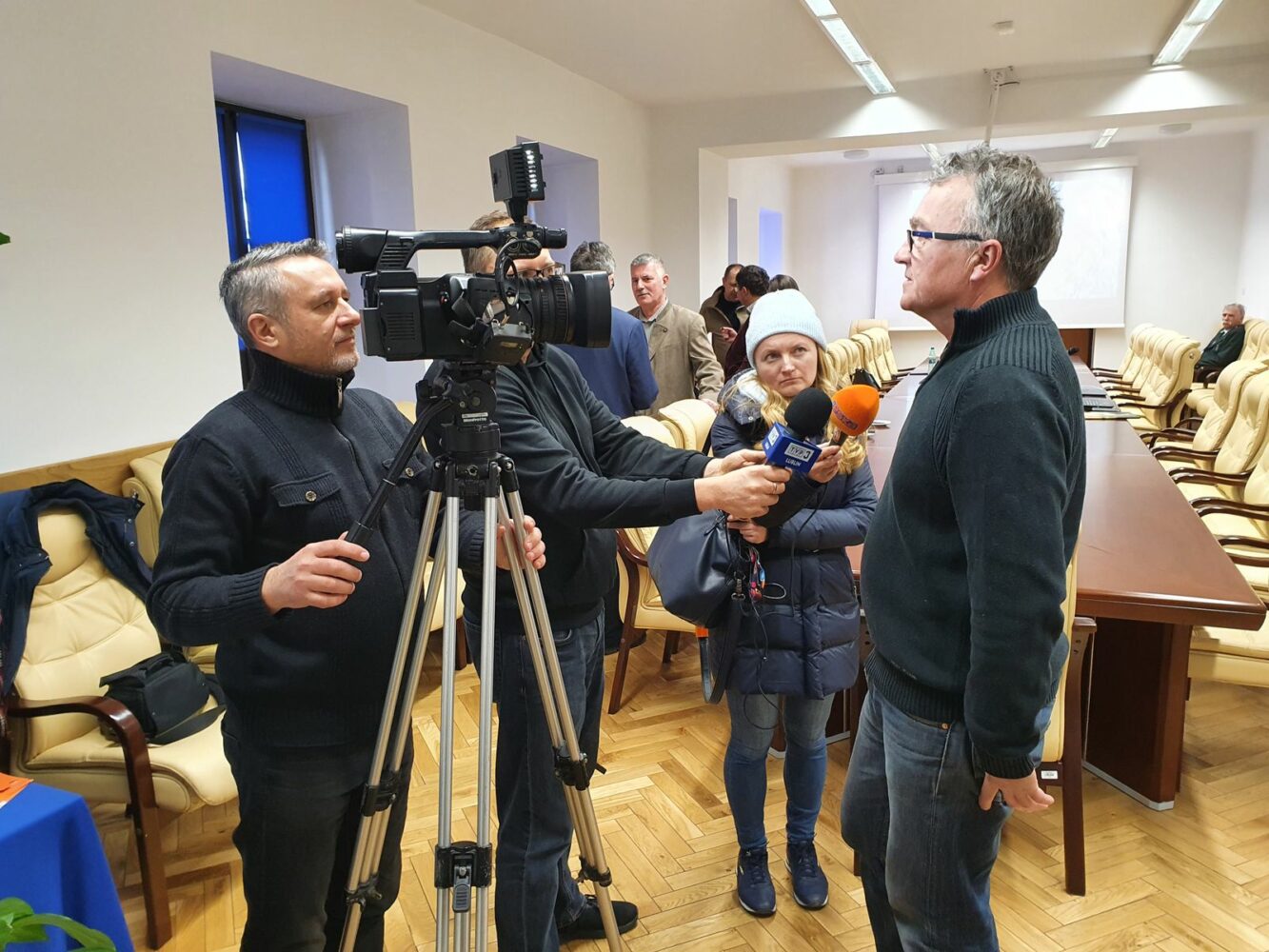
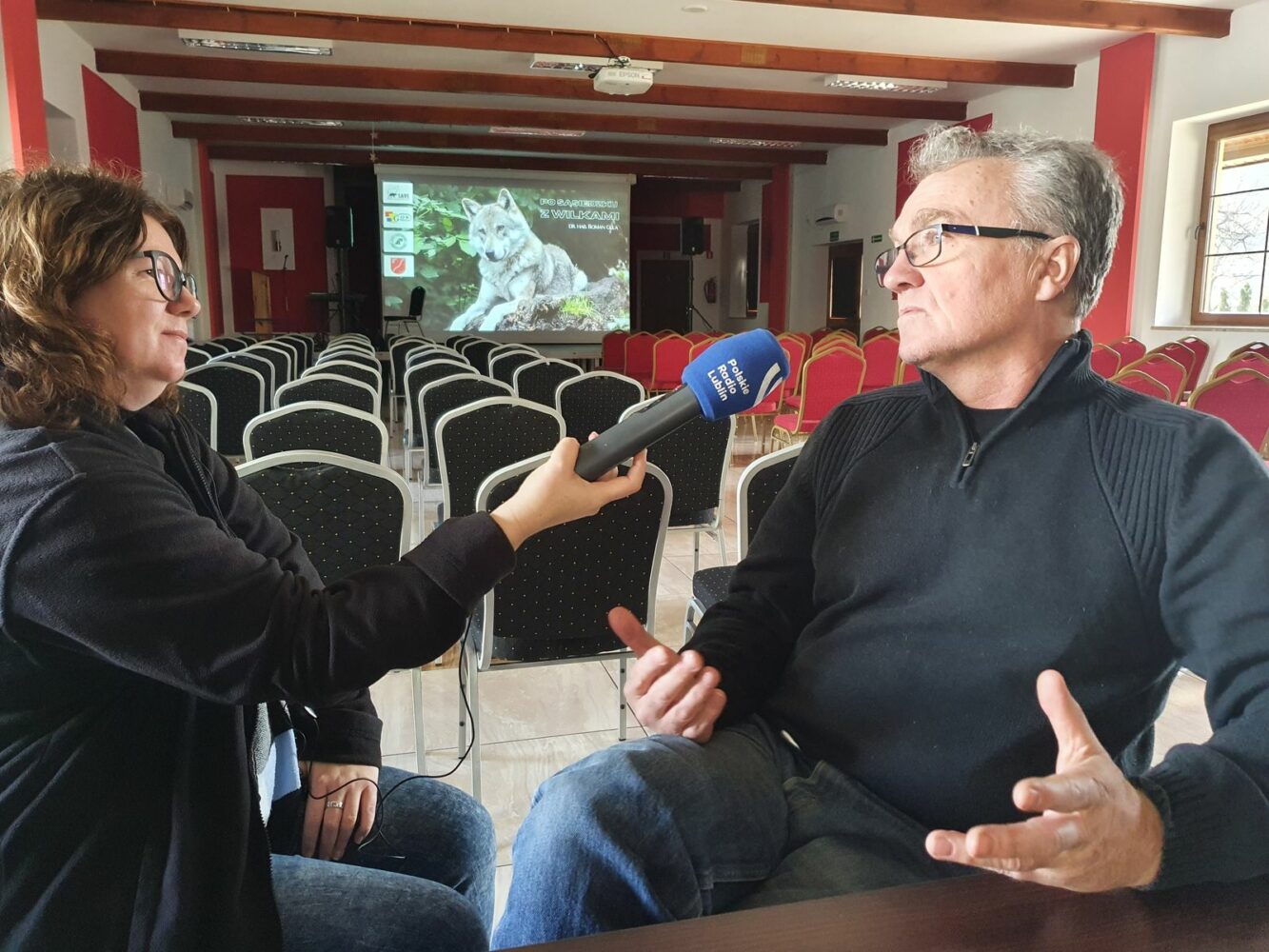
Przy okazji publicznych spotkań z mieszkańcami udzieliliśmy kilku wywiadów lokalnym mediom, m.in. Radio ESKA, Tygodnikowi Zamojskiemu, Kronice Tygodnia i TVP3 Lublin. Mamy nadzieję, że wieść o Geralcie i jego zniknięciu się rozniesie i da nam odpowiedzi, co się z nim stało. Dodatkowo staraliśmy się rozwiać wątpliwości odbiorców odnośnie życia w sąsiedztwie wilków oraz wyjaśnić, że widywane w okolicy drapieżniki nie stanowią dla nich zagrożenia.
Choć wyjazd w poszukiwaniu Geralta był owocny pod kilkoma względami, niestety nie zakończył się rozwikłaniem zagadki zniknięcia naszego wilka. Nie odnaleźliśmy też obroży, która jest dla nas cenna z dwóch powodów. Po pierwsze, znajdują się w niej dane, które można odzyskać tylko podłączając obrożę bezpośrednio do komputera. A po drugie, moglibyśmy ją ponownie wykorzystać w celu monitorowania życia kolejnego wilka. Apelujemy zatem do wszystkich, którzy zetkną się informacjami na temat wilka z obrożą lub samej obroży o kontakt z naszą Fundacją. Za znalezienie oferujemy nagrodę!
* Geralt to pochodzący z Puszczy Świętokrzyskiej wilk, który w poszukiwaniu partnerki i miejsca do życia wyemigrował na Ukrainę, a następnie osiedlił się w województwie lubelskim. Nosił przekazującą nam dane lokalizacyjne obrożę GPS, która ufundowana została przez firmę Vanity Style.
Autor: Roman Gula



In search of Geralt the wolf
In search of Geralt the wolf
In late February and early March, we headed east in search of Geralt the wolf, whose GPS collar stopped sending location data at the end of January.
We recently decided to once again search the area around Geralt’s last locations in the Hrubieszow area (above. Mircze) near Poland’s eastern border with Ukraine. As we wrote earlier, the collar data indicated that Geralt was either dead or that the collar had fallen off him. We searched the area thoroughly for several days, hoping to at least find the collar. Unfortunately, without success.
During the search, we received information about a dead wolf, without a collar, found near Hrebenne (70km further south). We went to the place and the finders, who turned out to be antler collectors (many thanks for their involvement, help and time!), who quickly and efficiently led us to the remains. Unfortunately, in the meantime, someone had cut off the dead wolf’s skull (we remind you that it is illegal to possess parts of protected animals!). It was therefore impossible to assess the age of the wolf, and the feeding of mammals and birds on the carcass made it impossible to determine the sex. There wasn’t much left of the wolf, but fortunately it was possible to collect a sample for genetic testing. After comparing this wolf’s DNA with Geralt’s genetic profile, we will find out if this was our missing wolf.
We decided to combine our stay in Zamość with our educational campaign. We met with employees of the Mircze Forest District and school children. A very interesting experience for us was a meeting organized by the Polish Hunting Association and the Zamość Academy. In the unique atmosphere of Zamość’s old town, we tried to introduce the audience to the biology of wolves and show that wolves are not scary beasts lurking in our lives. Interestingly, after our factual lecture and discussions about wolf numbers, the listeners agreed that the information appearing here and there about wolf densities reaching 40 individuals/km2 comes from the world of fairy tales!
On the occasion of public meetings with residents, we gave several interviews to local media, including Radio ESKA, Tygodnik Zamojski, Kronika Tygodnia and TVP3 Lublin. We hope that the news about Geralt and his disappearance will spread and give us answers as to what happened to him. In addition, we tried to allay viewers’ doubts about living in the vicinity of wolves and explain that the predators seen in the area do not pose a threat to them.
Although the trip in search of Geralt was fruitful in several respects, unfortunately it did not end with the unraveling of the mystery of our wolf’s disappearance. Nor did we find the collar, which is valuable to us for two reasons. First, it contains data that can only be recovered by connecting the collar directly to a computer. And second, we could reuse it to monitor the life of another wolf. We therefore appeal to anyone who comes across information about a wolf with a collar or the collar itself to contact our Foundation. We offer a reward for finding one!
* Geralt is a wolf native to the Świetokrzyska Forest, who, in search of a mate and a place to live, migrated to Ukraine and then settled in the Lublin Province. He wore a GPS collar transmitting location data to us, which was funded by Vanity Style.
Author: Roman Gula

Vlk Gagat powrócił w Sudety
Vlk Gagat powrócił w Sudety
Po dwóch miesiącach pobytu w Górach Zdziarskich, Gagat powrócił w Sudety.
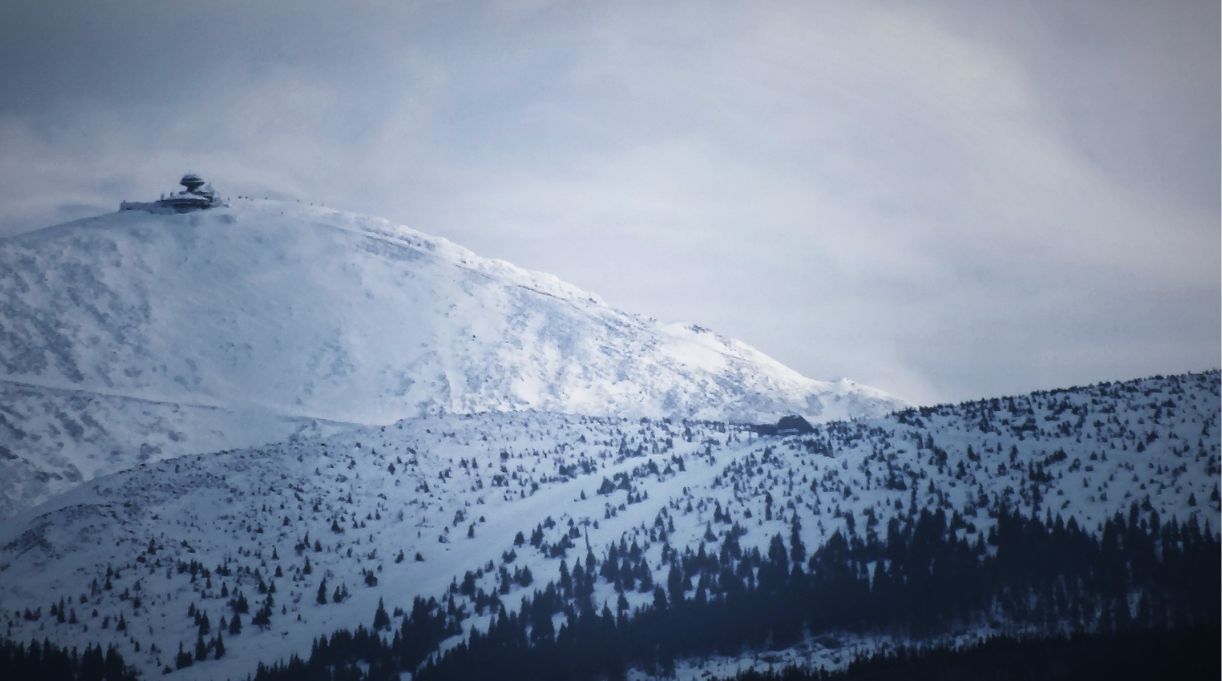
Jak pisaliśmy poprzednio, tropienia naszych czeskich kolegów z organizacji Hnutí DUHA Šelmy wskazywały, że Gagat był sam. Być może zatem wrócił w Sudety w poszukiwaniu wilczycy.
Jest to ostatnia szansa dla Gagata w tym roku. Cieczka u wilków przypada na drugą połowę lutego i już się kończy. W Sudetach są odnotowywane rozmnażające się rodziny wilcze, więc może Gagat ma nadzieję, że w tym regionie jest większa szansa spotkania partnerki. Jednak przebywanie na terytoriach rodzin wiąże się z ryzykiem. Wilki bywają agresywne w stosunku do obcych wilków, czasami takie starcia kończą się śmiercią samotnych osobników.
Autor: Roman Gula
Vlk Gagat returned to the Sudetes
Vlk Gagat returned to the Sudetes
After two months in the Žďárské vrchy, Gagat returned to the Sudetes.
As we wrote previously, the tracks of our Czech colleagues from the Hnutí DUHA Šelmy organisation indicated, that Gagat was alone. He may therefore have returned to the Sudetes in search of the partner.
This is the last chance for Gagat this year. The oestrus in wolves falls in the second half of February and is already coming to an end. Reproductive wolf families are recorded in the Sudetes, so perhaps Gagat is hoping that there is a better chance of meeting a mate in this region. However, being in the families’ territories comes with risks. Wolves are sometimes aggressive towards strangers, and sometimes such clashes end in the death of lone individuals.
Author: Roman Gula

Najciekawsze ujęcia zwierząt - Lasy Daleszyckie 2022
Najciekawsze ujęcia zwierząt - Lasy Daleszyckie 2022
Najciekawsze ujęcia zwierząt zarejestrowane w Lasach Daleszyckich w 2022 roku.
Lasy Daleszyckie należą do najcenniejszych przyrodniczo obszarów regionu świętokrzyskiego. Różnorodność siedlisk – suchych borów, olsów i torfowisk, lasów wyżynnych i górskich – sprawia, że zróżnicowanie gatunkowe zwierząt jest duże. Obok gatunków pospolitych spotyka się również rzadkie i zagrożone.
Prowadząc stały monitoring wilków w Lasach Daleszyckich udało nam się zarejestrować przy pomocy foto-pułapek wiele ciekawych zachowań zwierząt w czasie czterech pór 2022 roku.
WIOSNA
Wiosną najczęściej nagrywały się żerujące samce jeleni i łosie. Młode osobniki nosiły jeszcze kompletne poroża, natomiast u starszych byków widoczne były już nowo nakładane poroża pokryte scypułem. Jelenie i dziki rejestrowaliśmy często w trakcie kąpieli błotnych, które chronią je przed pasożytami skóry. Foto-pułapki rejestrowały również dziki z małymi warchlakami, które przyszły na świat wczesną wiosną. Wilki wiosną nagrywały się rzadko, najczęściej podczas patrolowania okolicy.
LATO
Latem foto-pułaki rejestrowały samice jeleni i saren z młodymi (cielętami i koźlętami) oraz dziki z podrośniętym potomstwem. Byki jeleni i łosi nosiły już wyrośnięte poroża, które późnym latem zaczynają wycierać ze scypułu. Wilcza rodzina doczekała się aż 8 szczeniąt, z którymi przemieszczała się pomiędzy kilkoma rendez-vous (miejscami spotkań) położonymi w tej samej okolicy. Bobry również doczekały się przychówku, a para żurawi z torfowiska troskliwie opiekowała się dwójką piskląt. Ze względu na panujące letnie upały częstym widokiem były kąpiele wodne i błotne zwierzyny w bobrowych rozlewiskach i leśnych babrzyskach.
JESIEŃ
Jesień to przede wszystkim okres godowy łosi (bukowisko) i jeleni (rykowisko). Kamery wielokrotnie rejestrowały godowe zachowania samców z okazałym porożem. Wilcze szczenięta były niewiele mniejsze od dorosłych wilków i często wędrowały razem z rodzicami i starszym rodzeństwem. Ssaki kopytne nadal korzystały z kąpieli błotnych. Jesień to również czas tworzenia się większych grup, zwłaszcza u dzików i jeleni.
ZIMA
Zima to pora dalszych wędrówek wilków, w tym czasie mniejsze ich grupy, a nawet pojedyncze osobniki, patrolują odległe zakątki swojego terytorium. Koniec zimy to również okres cieczki u wilków i związana z tym większa mobilność. Zwierzyna w tym czasie rzadko zażywa kąpieli błotnych lub całkowicie z nich rezygnuje.
Tekst: Tomasz Bracik
The most interesting animal shots - Daleszyce Forests 2022
The most interesting animal shots - Daleszyce Forests 2022
The most interesting animal shots recorded in the Daleszyce Forests in 2022.
The Daleszyce forests are among the most valuable natural areas of the Świętokrzyskie region. The diversity of habitats – dry coniferous forests, alder forests and peat bogs, upland and mountain forests – means that the diversity of animal species is high. In addition to common species, rare and endangered species are also found.
By carrying out permanent monitoring of wolves in the Daleszyce Forests, we were able to record with photo traps many interesting animal behaviours during the four seasons of 2022.
SPRING
In spring, foraging male deer and elk were most frequently recorded. Young specimens still wore complete antlers, while older bulls already showed newly applied antlers covered with scutes. We often recorded deer and wild boar during mud baths, which protect them from skin parasites. Photo-traps also recorded wild boars with small piglets that were born in early spring. Wolves in spring were recorded infrequently, usually while patrolling the area.
SUMMER
In summer, photo-traps recorded female deer and roe deer with young (calves and kids) and wild boars with sub-adult offspring. Bulls of deer and elk carried already grown antlers, which in late summer begin to wipe off their scutes. The wolf family reared as many as 8 pups, with which they moved between several rendez-vous (meeting places) located in the same area. The beavers also reared their offspring, and a pair of cranes from the moor cared for two chicks. Due to the prevailing summer heat, water and mud baths of the animals in the beaver floodplains and forest wallows were a common sight.
AUTUMN
Autumn is primarily the mating season for elk (bucking) and deer (roaring). Cameras repeatedly recorded the mating behaviour of males with magnificent antlers. Wolf pups were not much smaller than adult wolves and often roamed together with their parents and older siblings. Ungulate mammals continued to enjoy mud baths. Autumn was also the time for larger groups to form, especially in wild boar and deer.
WINTER
Winter is the season of further wolf migration, during which time smaller groups of wolves, or even individuals, patrol remote corners of their territory. The end of winter is also the period of mating for wolves and the greater mobility associated with this. Animals at this time rarely take mud baths or completely resigns from them.
Author: Tomasz Bracik

Menu vlka Gagata w Czechach
Menu vlka Gagata w Czechach
Dwa miesiące temu Gagat dotarł do Gór Zdziarskich w środkowych Czechach i najwyraźniej postanowił zatrzymać się w nich na dłużej.
Nasi Czescy koledzy z Hnutí DUHA Šelmy, zajmującej się monitoringiem wilków, już kilkukrotnie sprawdzali lokalizacje Gagata. Pokrywa śnieżna umożliwiła też tropienie naszego, polsko-czeskiego wilka, a w zasadzie vlka.
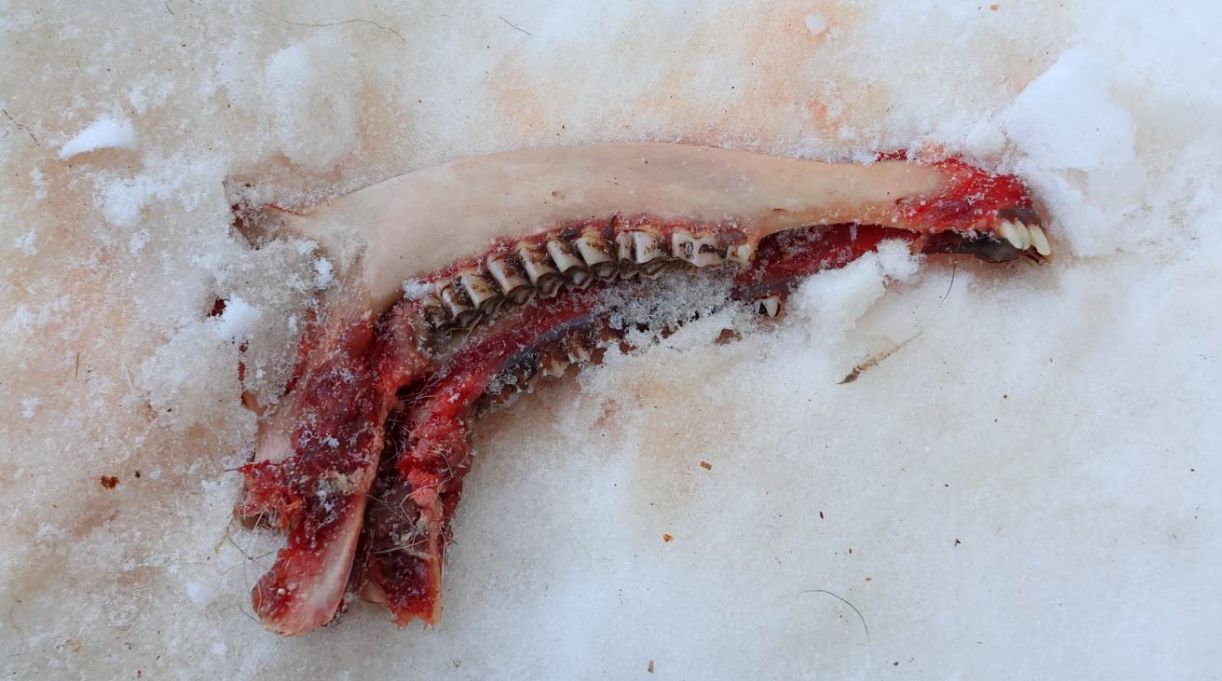
Okazało się, że Gagat jest ciągle sam. Pomimo tego skutecznie poluje na sarny. Tropiciele z Hnutí DUHA znaleźli szczątki 6 saren, które jadł i zapewne upolował Gagat. W Puszczy Świętokrzyskiej Gagat także najczęściej polował na sarny.
Podziękowania dla Hnutí DUHA Šelmy i Miroslav Kutal, Milan Štaubert, Barbora Gajdárová, Michal Daněk, Petr Mückstein, Jan Kuchynka, Václav Hlaváč.
*Gagat to młody wilk w trakcie dyspersji (migracji) poszukujący dla siebie żony oraz miejsca na założenie domu. Nosi umożliwiającą nam śledzenie jego kroków obrożę GPS.
—
Obroża Gagata ufundowana została z inicjatywy Nadleśnictwa Suchedniów i Regionalnej Dyrekcji Lasów Państwowych w Radomiu przez nadleśnictwa: Barycz, Daleszyce, Kielce, Skarżysko, Starachowice, Stąporków oraz Suchedniów.
Zdjęcie: Petr Mückstein
Autor: Roman Gula
Menu of vlk Gagat in the Czech Republic
Menu of vlk Gagat in the Czech Republic
Two months ago, Gagat reached the Ždiar Mountains in central Bohemia and apparently decided to stay there for longer.
Our Czech colleagues from Hnutí DUHA Šelma, which monitors wolves, have already checked Gagat’s location several times. The snow cover also made it possible to track our Polish-Czech wolf, or rather vlk.
It turned out that Gagat is still alone. Despite this, it successfully hunts deer. Trackers from Hnutí DUHA found the remains of 6 roe deer, which Gagat ate and probably hunted. In the Świętokrzyska Forest, Gagat also most often hunted roe deer.
Thanks to Hnutí DUHA Šelmy and Miroslav Kutal, Milan Štaubert, Barbora Gajdárová, Michal Daněk, Petr Mückstein, Jan Kuchynka, Václav Hlaváč.
*Gagat is a young wolf in the process of dispersion (migration) looking for a wife and a place to set up a home. He wears a GPS collar that allows us to track his steps.
—
The Gagat’s collar was funded on the initiative of the Suchedniów Forest Inspectorate and the Regional Directorate of State Forests in Radom by the following forest districts: Barycz, Daleszyce, Kielce, Skarżysko, Starachowice, Stąporków and Suchedniów.
Photo: Petr Mückstein
Author: Roman Gula

O wilkach w Mirczu
O wilkach w Mirczu
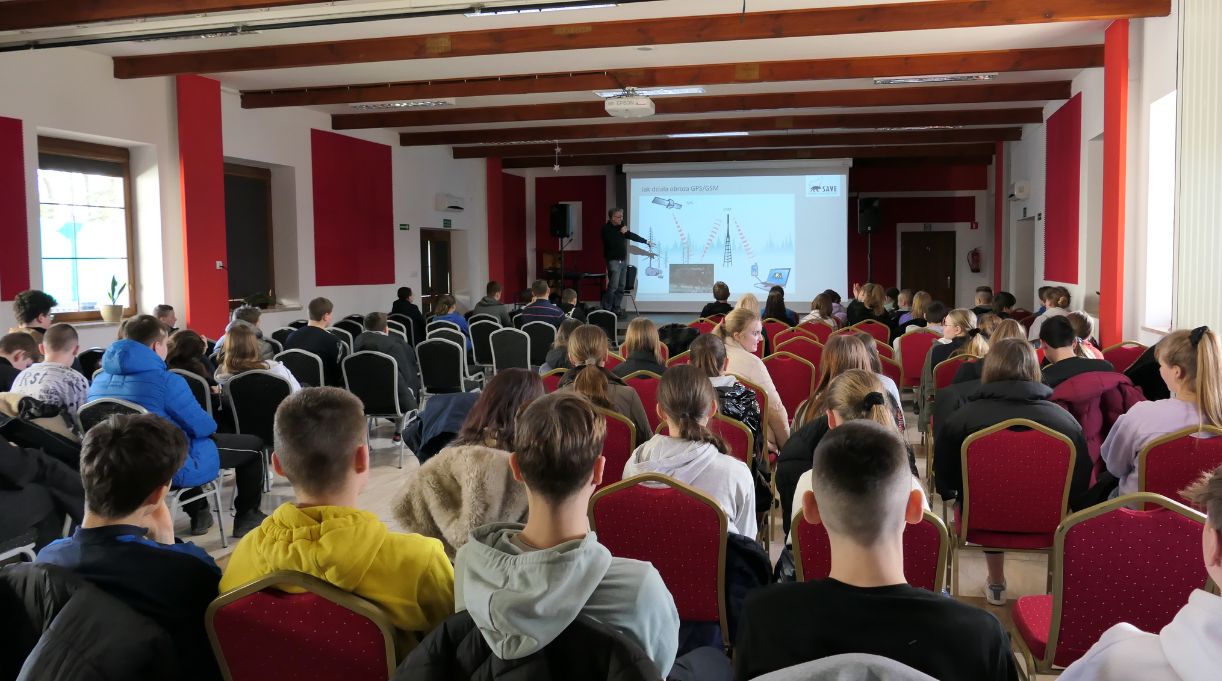
W trakcie pierwszego spotkania, na które zostały zaproszone lokalne szkoły, staraliśmy się przybliżyć uczniom wilczy świat i odpowiedzieć na wszelkie interesujące ich pytania. Nie obyło się bez pokazu wycia i innych technik używanych przez nas podczas monitoringu wilków.
Na drugie spotkanie, na które przybyli także zaproszeni przez nas pracownicy Nadleśnictwa Mircze, skupiliśmy się nieco bardziej na kwestiach związanych z naszymi badaniami i historią Geralta, noszącego naszą obrożę GPS wilka, który wkrótce po przybyciu w pobliskie lasy zaginął. Mamy nadzieję, że dzięki wsparciu okolicznych mieszkańców i leśników uda nam się rozwikłać zagadkę jego zniknięcia!
Dziękujemy Gminnemu Ośrodkowi Kultury w Mirczu za organizację spotkań i udostępnienie sali.
About wolves in Mircze
About wolves in Mircze
During the first meeting, to which local schools were invited, we tried to familiarize students with the world of the wolves and answer any questions they were interested in. There was also a demonstration of howling and other techniques used by us while monitoring wolves.
At the second meeting, which was also attended by employees of the Mircze Forest Inspectorate, we focused a bit more on issues related to our research and the story of Geralt, a wolf wearing our GPS collar, who disappeared shortly after arriving in the nearby forests . We hope that thanks to the support of local residents and foresters, we will be able to solve the mystery of his disappearance!
We would like to thank Gminny Ośrodek Kultury (the Municipal Cultural Center) in Mircze for organizing meetings and providing the room.